Global Marine Service

Marine Service Solutions

Global service solutions across shipyards, ports, and anchorage. Built for real marine conditions.

Do you have an emergency? Get immediate assistance.

Shipyards, ports, and anchorages each create different realities for access, time, and decision‑making. While our service is customized to every requirement, the greatest value can be realized when our full spectrum of planned and data‑driven maintenance solutions are applied, enabling smarter decisions, better control, and reduced downtime across vessel operations.

Where service actually happens

The most common marine service situations

In the shipyard

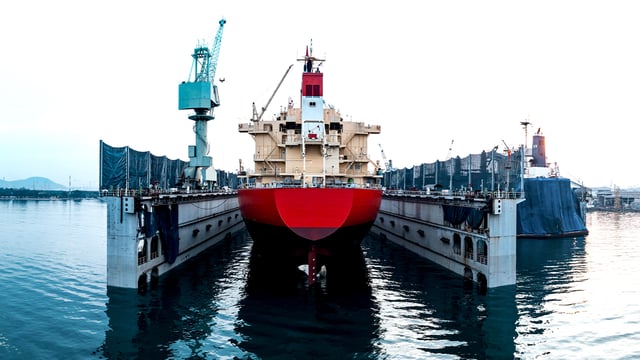
In the shipyard, conditions allow decisions to extend beyond the immediate issue. With access, time, and visibility, heat exchanger work can be assessed in context, using inspection results, operating history, and performance insight.

This is where data‑driven approaches and structured service agreements deliver the most value, supporting more predictable operation and reducing the risk of unplanned interventions during service.

Using shipyard stays to establish planned maintenance and data‑driven optimization strategies creates predictability, lowers long‑term cost, and reduces disruptive interventions during operation.
Tranter_Marine_service_shipyard

At the port

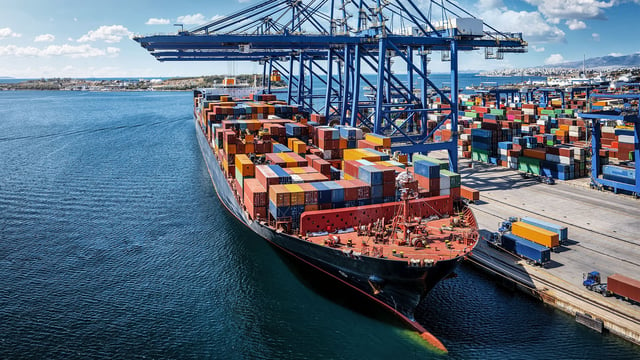
At the port, time is fixed and consequences are immediate. Port calls provide a defined but narrow window where work must be executed precisely to avoid delaying departure. When maintenance has been planned or scheduled in advance, ports are the most effective environment for carrying it out.

At the same time, unexpected issues are common, making direct service a necessary and fully expected part of port operations.

Using data-driven performance insight to plan work ahead of port calls shifts maintenance from reactive fixes to controlled execution, reducing schedule risk and maximizing the value of every port stay.

Tranter_Marine_Service_Dock

At an anchorage

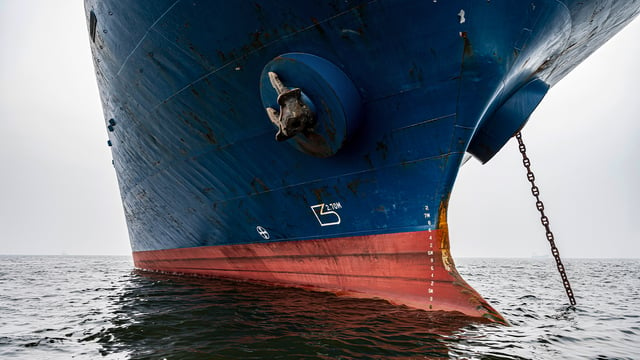
At an anchorage, heat exchanger issues are almost always urgent and unplanned. Conditions are less controlled, access is limited, and the full extent of the problem is often only clear once work begins. This is not an environment for planned interventions.

It is where direct and emergency service is required to restore function, stabilize the situation, and allow the vessel to proceed to a more suitable location for follow‑up work.

Avoiding anchorage interventions through planned maintenance helps prevent unnecessary downtime, operational risk, and last‑minute emergency costs.

Tranter_Marine_Service_Anchorache

A closer look at our solutions for marine service

Direct Service

Direct service delivers immediate, on‑site support to resolve performance issues and restore operation fast.

Direct Service

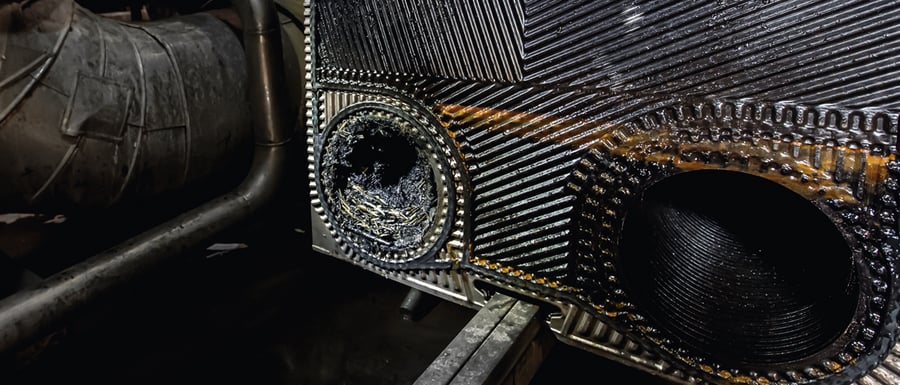
Direct service is used when a heat exchanger issue requires immediate intervention and the vessel cannot wait for a planned service window.

This is most common in:

  • Anchorage situations requiring emergency action

  • Port calls where unexpected issues threaten departure

  • Operational disruptions between scheduled service event

Drop-in Replacement

When a heat exchanger is severely damaged, unavailable for repair within the time window, or critical to vessel operation, drop-in replacement allows function to be restored without extended downtime.

This approach is particularly relevant in:

  • Ports with fixed departure schedules

  • Emergency situations where reliability must be restored immediately

  • Cases where repair would introduce operational risk or delay

Failure-Direct-Service
Marine_hetexchanger-3d

Planned Maintenance

Planned maintenance uses scheduled interventions to improve reliability, reduce disruption, and prevent unplanned failures.

Service Agreement

A service agreement defines a clear, vessel-specific scope for inspections, maintenance, and repairs. It supports scheduled service that aligns with port calls and planned shipyard work, helping reduce unplanned downtime and stabilize workloads.

Often applicable in:

  • Port calls where work must be executed within a narrow time window

  • Fleets where the same issues repeat across vessels

  • Operations where emergency work is slowly replacing planned work

Frame Agreement

A Frame Agreement removes the friction that quietly kills good maintenance plans. Pricing, terms, and conditions are agreed in advance, so recurring service does not get stuck in approvals when time is already tight.

Typically seen in:

  • Operations with repeated service needs across ports

  • Organizations where procurement slows execution

  • Fleets with multiple vessels or mixed installed bases

Inventory Stocking

By securing critical spare parts in advance, inventory stocking ensures maintenance starts when the vessel is ready, not when lead times allow.

Best suited for:

  • Vessels using specialized plates or materials

  • Port-based maintenance with zero tolerance for delay

  • Operations where in-house teams need parts on hand

Service-Agreement
Tranter_Frame_Agreement_Marine
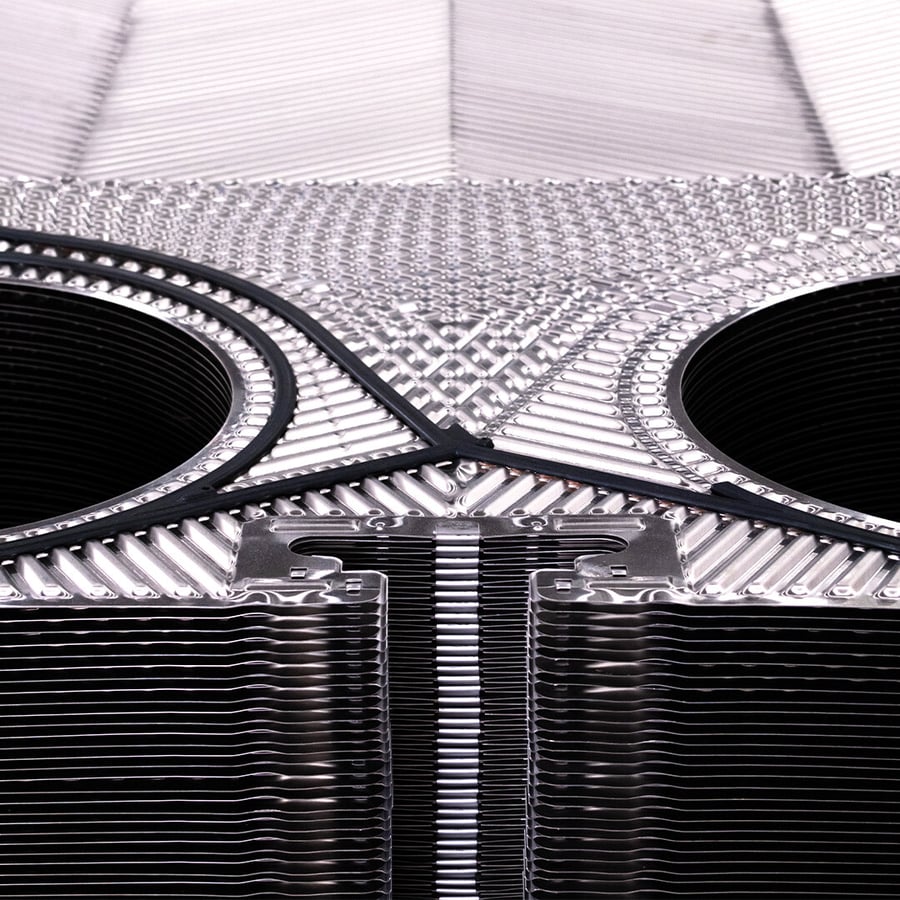
Heat exchanger plates

Data-driven Optimization

Data‑driven optimization analyzes operating data to predict performance trends, prescribe maintenance actions, and reduce lifecycle cost.

Predictive ROI Retro-Fit

Predictive ROI Retro‑fit is used when replacement or upgrade is on the table, but the business case is unclear.

Instead of relying on assumptions, operational data is used to simulate how optimized alternatives would actually perform under real conditions.

Most valuable when:

  • Performance loss persists beyond normal maintenance

  • Operational limits are reached due to efficiency or pressure drop

  • Upgrades must be justified with evidence, not intuition

Prescriptive Agreement

A Prescriptive Agreement is for operations where timing matters as much as action. Servicing too early wastes resources. Servicing too late creates disruption.

By combining historical and live operating data, maintenance actions are guided by how the heat exchanger actually behaves, not fixed intervals.

This is most relevant for:

  • Operations where performance stability affects margins

  • Assets with variable loads and fouling behavior

  • Customers who need decisions backed by evidence

Tranter_Service_ROI_Marin
Prescriptive-4-3

Part of how we work

Training and compliance

Every service we deliver is carried out with safety, compliance, expertise, and correct handling in mind.

If your crew needs guidance or support along the way, we provide it as part of the job. We make sure your heat exchangers are handled correctly and meet the required standards without slowing down your operation.

Resource center

Download our service related guides and literature

RESOURCE CENTER

Explore the exceptional marine service Tranter delivers

Parts and services

How we do it: Plate inspection and removal

When it comes to inspection and plate removal, it's crucial to pay attention to every detail. By following the necessary steps and taking the time to inspect and remove plates properly, we can ensure that your project is completed successfully. Learn more by listening to Dave Lusignolo, Director, Aftermarket Sales - North America

Parts and services

Secrets to longer heat exchanger life: Chemical cleaning explained

Chemical cleaning and rinse are essential steps in maintaining the performance of your heat exchanger. Whether it's removing liquids, or ensuring the longevity of machinery, chemical cleaning and rinse play a crucial role in the service process.

Parts and services

Power wash: How we deep clean your heat exchanger plates

Say goodbye to buildup and hello to spotless efficiency. Tranter’s power wash procedure takes cleaning heat exchanger plates to the next level, removing every trace of residue with precision and care. Discover how we restore your plates to peak performance with this powerful process.

Are you considering service for your heat exchanger?

Contact us for more information!

Conversation-1

A closer look at our solutions for marine service

Direct Service

Direct Service

Direct service is used when a heat exchanger issue requires immediate intervention and the vessel cannot wait for a planned service window.

This is most common in:

  • Anchorage situations requiring emergency action

  • Port calls where unexpected issues threaten departure

  • Operational disruptions between scheduled service events

Under these conditions, time is limited and visibility is often incomplete. Decisions must be made onboard, based on findings as work progresses.

The objective is to stabilize performance, resolve the issue safely, and enable the vessel to proceed. In many cases, direct service also becomes the starting point for a more structured service relationship once the immediate situation is under control.

Drop-in replacement

Drop‑in replacement is a form of direct service used when repair is not the fastest or safest option.

When a heat exchanger is severely damaged, unavailable for repair within the time window, or critical to vessel operation, replacement allows function to be restored without extended downtime.

This approach is particularly relevant in:

  • Ports with fixed departure schedules

  • Emergency situations where reliability must be restored immediately

  • Cases where repair would introduce operational risk or delay

Drop‑in replacement prioritizes operational continuity. It enables the vessel to return to service quickly, while allowing further assessment, optimization, or longer‑term planning to take place at a more suitable time and location.


Planned Maintenance

Service Agreement

A service agreement defines a clear, vessel-specific scope for inspections, maintenance, and repairs. It supports scheduled service that aligns with port calls and planned shipyard work, helping reduce unplanned downtime and stabilize workloads.

Often applicable in:
  • Port calls where work must be executed within a narrow time window

  • Fleets where the same issues repeat across vessels

  • Operations where emergency work is slowly replacing planned work

Without structure, maintenance windows disappear. With a defined scope, work becomes easier to execute, easier to justify internally, and far less likely to spill into disruption. Over time, fewer surprises translate directly into smoother operations and lower stress on crews and schedules.

Frame agreement

A Frame Agreement removes the friction that quietly kills good maintenance plans. Pricing, terms, and conditions are agreed in advance, so recurring service does not get stuck in approvals when time is already tight.

Typically seen in:

  • Operations with repeated service needs across ports

  • Organizations where procurement slows execution

  • Fleets with multiple vessels or mixed installed bases

When commercial steps delay action, the maintenance window closes. What should have been planned work becomes reactive service instead.

Removing that friction keeps good plans alive long enough to actually be executed.

Inventory Stocking

Inventory Stocking solves a problem every marine operator recognizes. You have the window. You have the plan. But the parts arrive too late.

By securing critical spare parts in advance, inventory stocking ensures maintenance starts when the vessel is ready, not when lead times allow.

Best suited for:

  • Vessels using specialized plates or materials

  • Port-based maintenance with zero tolerance for delay

  • Operations where in-house teams need parts on hand

Without parts, even the best plan fails. With parts ready, planned work stays planned, and port calls stop turning into extended disruptions.


Data-driven Optimization

Predictive ROI Retro‑fit

Predictive ROI Retro‑fit is used when replacement or upgrade is on the table, but the business case is unclear.

Instead of relying on assumptions, operational data is used to simulate how optimized alternatives would actually perform under real conditions.

Most valuable when:

  • Performance loss persists beyond normal maintenance

  • Operational limits are reached due to efficiency or pressure drop

  • Upgrades must be justified with evidence, not intuition

The challenge is not deciding to upgrade. It is deciding without knowing what impact that change will have in real operating conditions. Data replaces debate with clarity.

Prescriptive Agreement

A Prescriptive Agreement is for operations where timing matters as much as action. Servicing too early wastes resources. Servicing too late creates disruption.

By combining historical and live operating data, maintenance actions are guided by how the heat exchanger actually behaves, not fixed intervals.

This is most relevant for:

  • Operations where performance stability affects margins

  • Assets with variable loads and fouling behavior

  • Customers who need decisions backed by evidence

Instead of reacting to symptoms, decisions become repeatable, explainable, and easier to stand behind. Over time, this turns performance management into a controlled process rather than a constant balancing act.