Global Marine Service

24/7 marine heat exchanger service. Wherever your vessel is, whatever brand you run.

Do you have an emergency? Get immediate assistance.

Every operation has its own unique service needs. Some need speed, some need structure, some need insight. Tranter FullServ is simply about being really good at all three — and letting customers choose what fits their reality.

Franco Langone Sales Director of Aftersales, Europe & MEA

Tranter supports vessel managers with global, multi-brand heat exchanger service built on decades of hands-on experience. Our teams work in shipyards, ports, and at anchorage worldwide, handling inspections, diagnostics, repairs, and maintenance under real conditions.

Whether the work is planned or urgent, we know what it takes to keep your heat exchangers running and your vessel on schedule. We show up prepared and take full responsibility until the job is done.
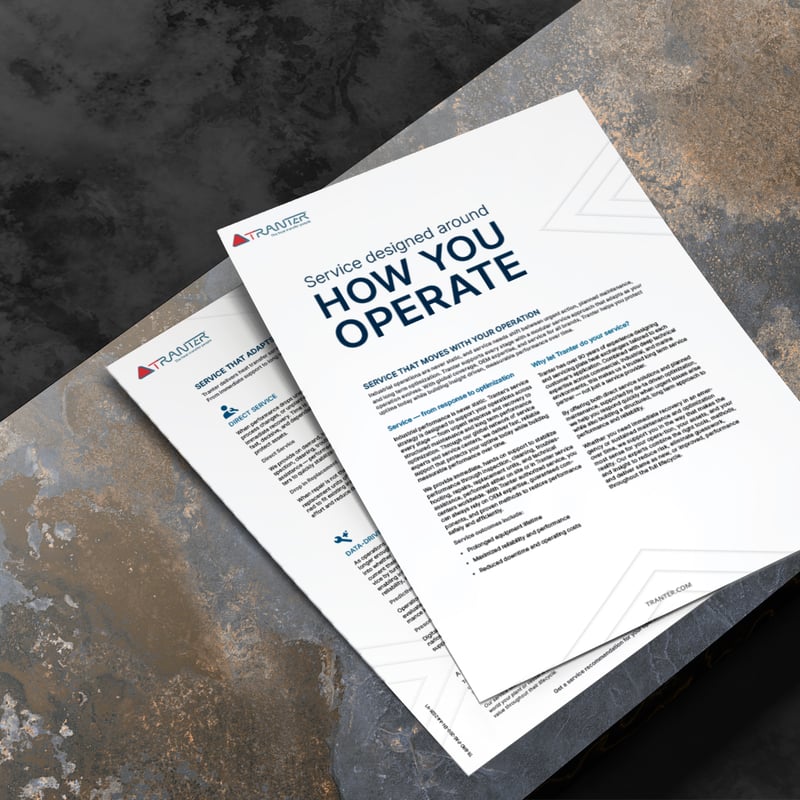
Service designed around how you operate

Where service actually happens

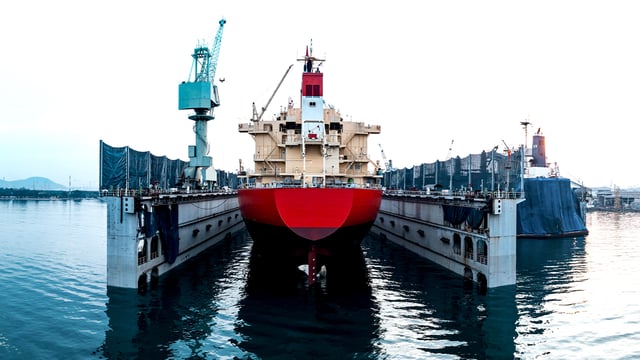
Shipyards

The shipyard offers the highest level of access and visibility. Here, heat exchanger service moves beyond immediate fixes to support data‑driven decisions, service agreements, and long‑term improvement. 

Tranter_Marine_service_shipyard

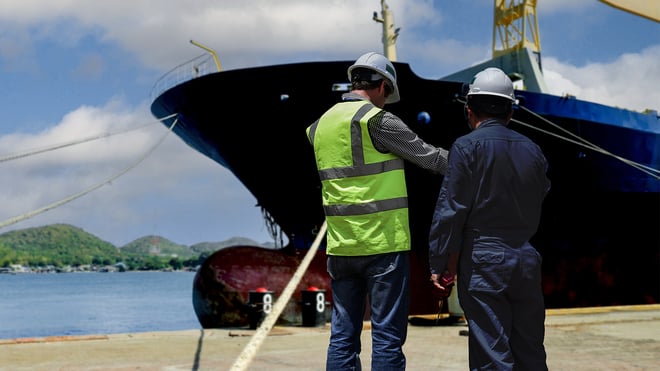
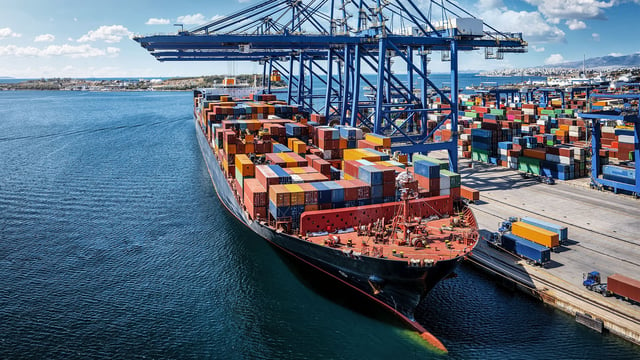
Ports

Port calls provide access within fixed arrival and departure windows. When work is planned or scheduled in advance, ports are the most effective environment for execution, while still requiring readiness for unexpected issues.

Tranter_Marine_Service_Dock

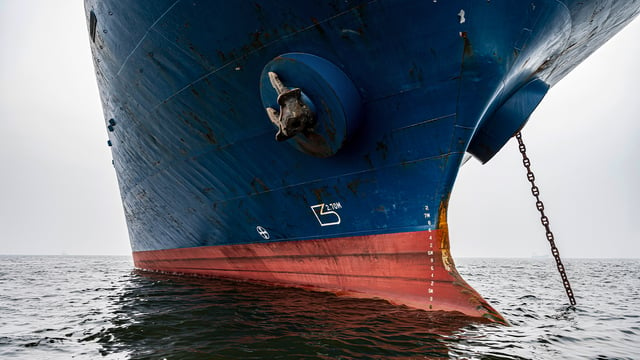
Anchorages

At anchorage, heat exchanger issues are almost always urgent and unplanned. Limited access and time pressure mean direct or emergency service is required to stabilize the situation and allow the vessel to move on.

Tranter_Marine_Service_Anchorache

Beyond day-to-day maintenance

Service solutions that strengthens your marine operation

All our service contracts are customizable to suit your context and operation. Contact us and let's discuss your exact needs.

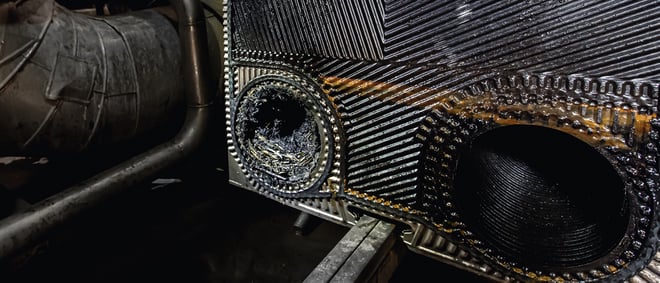
Failure-Direct-Service

Direct Service

When conditions demand immediate action

Direct service is essential in marine operations because not every issue can be planned for, and not every situation allows preparation.

This approach is most closely associated with anchorage and urgent port situations, where the priority is restoring function quickly and safely so the vessel can continue operating.

Typical marine conditions where direct service leads:

  • Anchorage situations where intervention cannot wait

  • Port calls where unexpected issues threaten departure schedules

  • Operational disruptions that require immediate technical judgment

In these environments, visibility is limited and time pressure is high. There is no realistic alternative to direct intervention. The focus is control, safety, and stabilization.

Tranter_Planned_Service_Marine

Planned Maintenance

When work must fit within fixed operational windows

Planned maintenance becomes most effective in port environments, where time windows are fixed and work must adapt to strict operational constraints..

Ports offer defined time windows, clear constraints, and predictable access. When maintenance has been scoped in advance, port calls allow work to be executed efficiently without impacting sailing schedules.

Typical marine conditions where planned maintenance leads:

  • Port calls with narrow but predictable service windows

  • Maintenance activities aligned with operational schedules

  • Follow-up work defined after previous inspections or service

In port, preparation is everything. Planned maintenance reduces uncertainty, limits disruption, and makes outcomes more predictable. 

Data-Driven-Solution

Data-Driven Optimization

When conditions allow insight, not just action

Data‑driven optimization finds its strongest footing in shipyard environments, where access, time, and visibility allow decisions to go beyond the immediate issue.

In the yard, the focus can shift from short-term recovery to longer-term performance and reliability. Inspection results, operating history, and performance data can be assessed together to guide smarter decisions.

Typical marine conditions where data‑driven approaches lead:

  • Shipyard stays with sufficient access for inspection and assessment

  • Opportunities to review performance trends and recurring issues

  • Planning future maintenance based on condition rather than intervals

This is where data-informed decisions deliver the most long-term value. It is also where structured service agreements and frame agreements naturally support consistency, even when conditions are not ideal or fully predictable.

Inventory

Spare Part Readiness

When waiting for parts isn’t an option

The marine environment places unique demands on parts availability. Vessels move between ports, schedules change, and failures rarely occur where logistics are simple. Without the right components available at the right location, even the best service plan can stall.

Spare parts readiness becomes especially relevant across all three situations:

  • In shipyards, where inspections and findings often define additional scope

  • In ports, where limited time leaves no room to wait for missing components

  • In anchorage or emergency situations, where delays can prevent the vessel from moving at all

Maintaining readiness through standardization, forward planning, and service agreements reduces dependency on lead times and last‑minute sourcing. It also supports continuity across service events, allowing interventions to be completed when the opportunity exists rather than postponed until the next disruption.

Pressure-instruments

When your vessel is on the clock, everything matters

You don’t get long windows to fix heat exchanger problems. Sometimes just a few hours, sometimes less. At the same time, not every situation should be treated the same way.

How your service partner handles them makes all the difference:

  • Fast response when it matters
    We’re ready to act in ports and at anchorage when time is limited.

  • Getting it right from the start
    We focus on correct decisions early, so you avoid delays and rework.

  • Reducing repeat issues over time
    We use planned opportunities to deal with problems before they come back.

  • Parts that don’t slow you down
    Critical components are available where and when you need them.

  • Bringing more control into your operation.
    We help you move from reactive fixes to a more predictable way of managing your heat exchangers.

Resource center

Download our service related guides and literature

RESOURCE CENTER

Explore the exceptional marine service Tranter delivers

Parts and services

How we do it: Plate inspection and removal

When it comes to inspection and plate removal, it's crucial to pay attention to every detail. By following the necessary steps and taking the time to inspect and remove plates properly, we can ensure that your project is completed successfully. Learn more by listening to Dave Lusignolo, Director, Aftermarket Sales - North America

Parts and services

Secrets to longer heat exchanger life: Chemical cleaning explained

Chemical cleaning and rinse are essential steps in maintaining the performance of your heat exchanger. Whether it's removing liquids, or ensuring the longevity of machinery, chemical cleaning and rinse play a crucial role in the service process.

Parts and services

Power wash: How we deep clean your heat exchanger plates

Say goodbye to buildup and hello to spotless efficiency. Tranter’s power wash procedure takes cleaning heat exchanger plates to the next level, removing every trace of residue with precision and care. Discover how we restore your plates to peak performance with this powerful process.

Are you considering service for your heat exchanger?

Contact us for more information!

Conversation-1